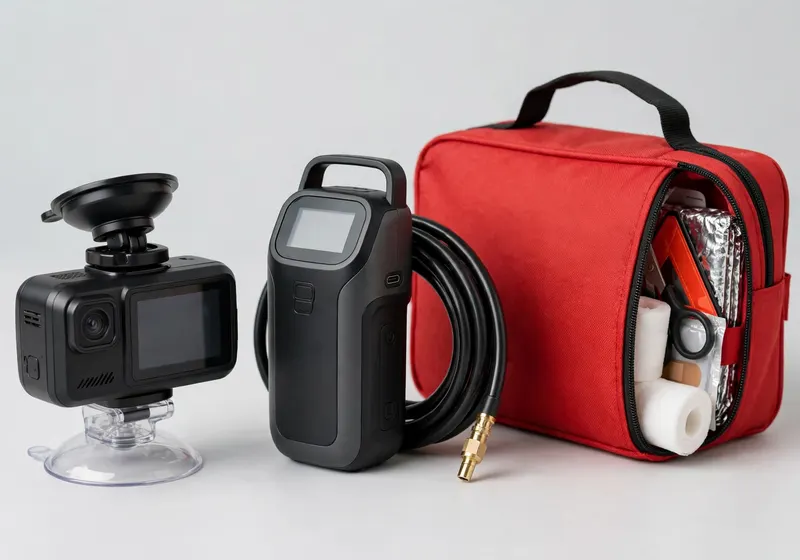
Most roadside trouble in Pakistan is predictable: a slow puncture far from a puncture shop, a blind-spot near-miss in city traffic, or an argument after a minor accident with no proof of what happened. This range is built around those three moments — a 12V inflator that gets you to the next town, wide-angle blind spot mirrors, a dash cam that records what actually happened, and a 9-in-1 kit that covers the rest.
Not sure where prices should sit? Compare this range against the dash cam buying guide before you buy — from us or anyone else.
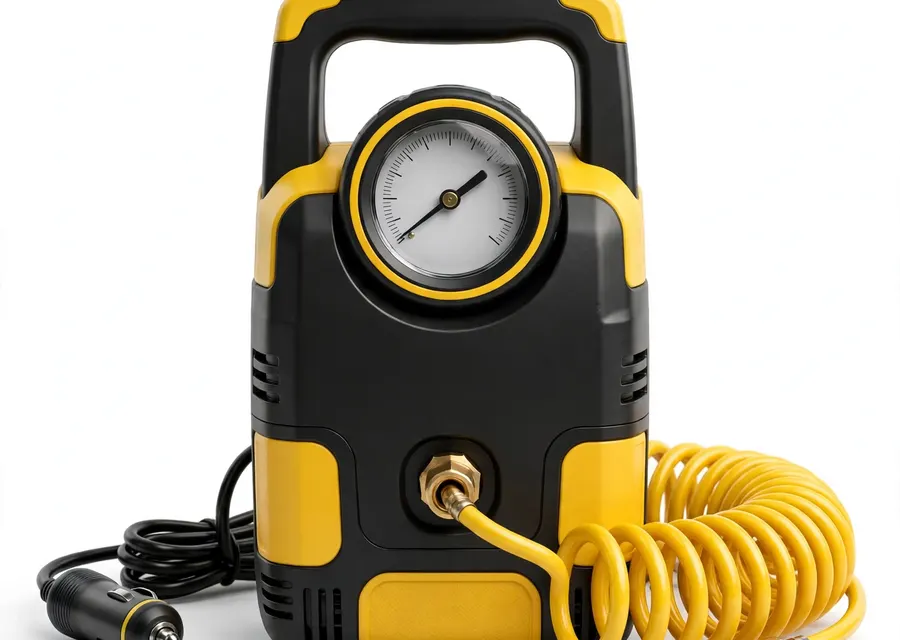
12V Tyre Inflator — Portable Air Compressor with Pressure Gauge
A slow puncture stops being a crisis: plug into the 12V socket, fill the tyre, drive to the puncture shop.
Rs 3,499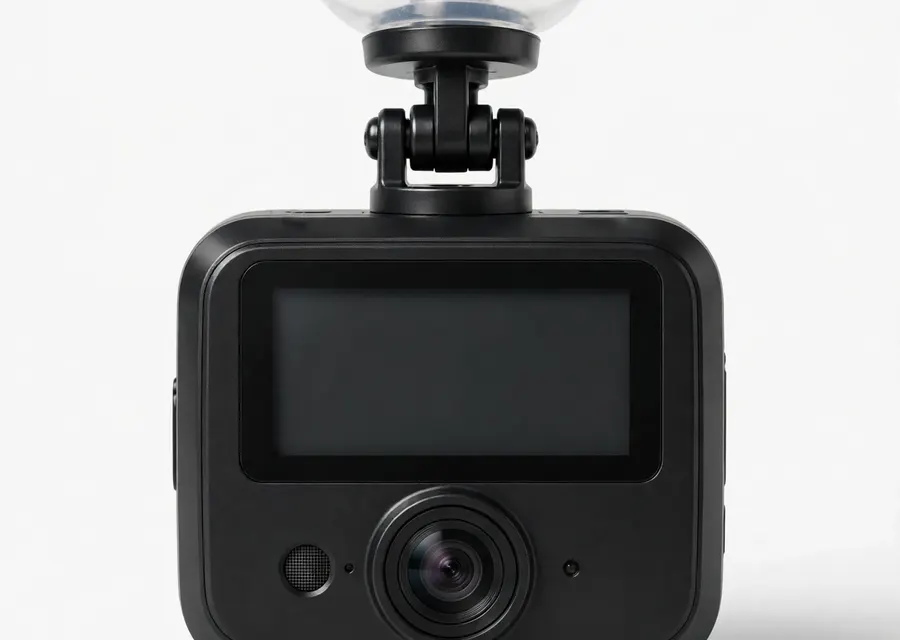
HD Dash Cam — 1080p with Night Vision & Loop Recording
Your silent witness on every drive: records the road in 1080p, day and night, and never stops.
Rs 5,999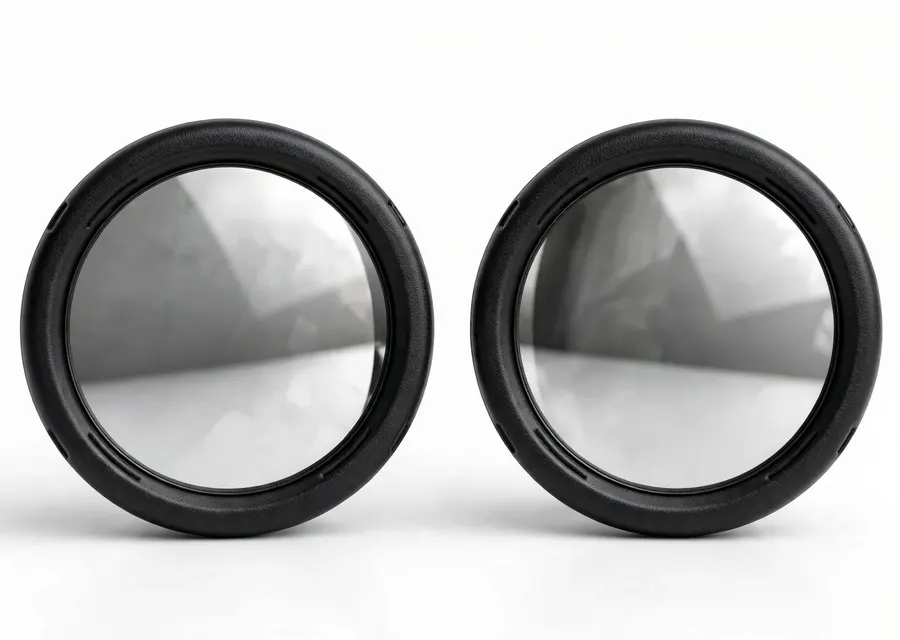
Blind Spot Mirrors — 2-Pack Convex Wide-Angle Mirrors
See the motorcycle hiding beside your car — two small mirrors that remove the most dangerous blind corner.
Rs 749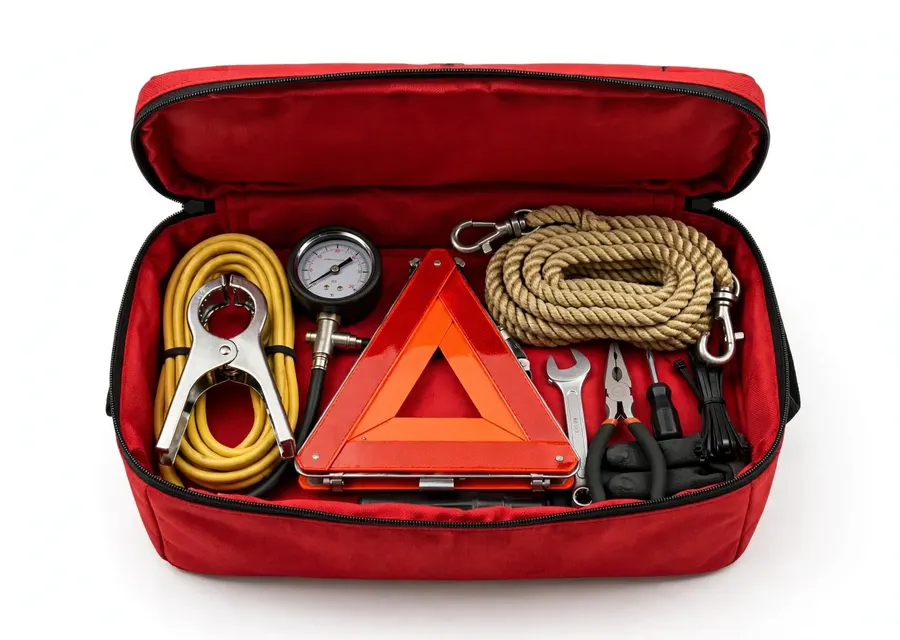
Car Emergency Kit — 9-in-1 Roadside Safety Set
Jumper cables, tow rope, triangle, torch and tools in one bag — bought once, thanked for years.
Rs 2,499