Every "best car accessories" list on the internet seems written to sell whatever has the highest margin. This one is ranked differently: by how often a Pakistani driver actually uses the thing, and how much trouble it removes per rupee spent. Safety gear that works once a year but saves a disaster ranks above decoration; daily-use comfort ranks above novelty. All ten picks are available in Pakistan at the prices shown, and every one is in our shop with full specifications.
1–3: The safety trio every car should carry
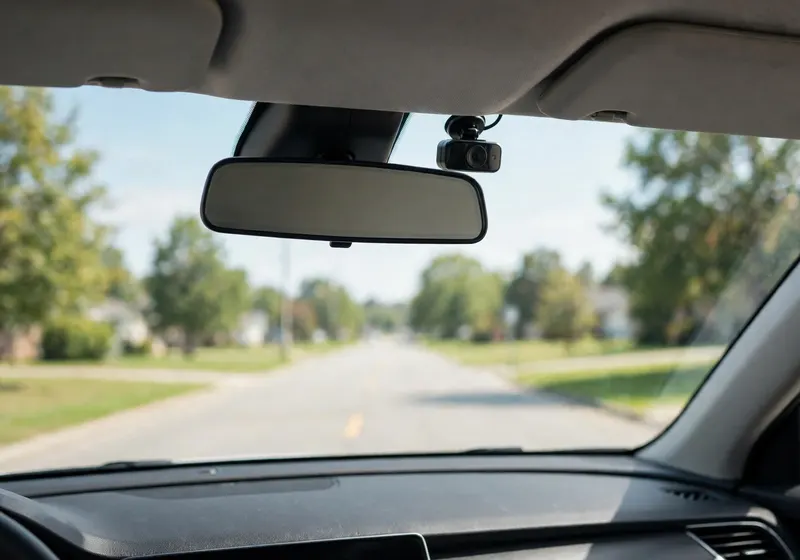
1. HD Dash Cam — Rs 5,999. The single most valuable accessory on this list. Pakistani roads produce disputes; a dash cam produces facts. A genuine 1080p unit with loop recording and a G-sensor records every drive without you touching it, and one recording can settle an argument worth far more than the camera. Full guidance in our dash cam buying guide.
2. 12V Tyre Inflator — Rs 3,499. A slow puncture on the motorway or a quiet street at night is a when, not an if. An inflator turns it into a ten-minute stop instead of a stranded wait. It also keeps pressures correct weekly, which quietly saves fuel and tyre life.
3. Blind Spot Mirrors — Rs 749. The cheapest safety upgrade that exists. In traffic where motorcycles filter along both sides of your car, the wide convex view removes the exact corner where they hide. Under Rs 800 for a pair of glass mirrors is the best safety-per-rupee deal on this page.
4–6: Daily-use upgrades you will touch every drive
4. Gravity Car Phone Holder — Rs 1,499. Navigation is part of driving now; holding the phone should not be. The gravity design locks with the phone's own weight, works one-handed, and the metal vent hook survives Pakistani speed breakers. If you prefer instant on-off, the magnetic holder at Rs 1,299 is its equal.
5. Dual USB Fast Car Charger — Rs 1,449. Two phones fast-charging from one socket ends the family's lowest-battery negotiations on long drives. The voltage display is a quiet bonus: it warns you about a weak car battery weeks before it strands you.
6. Mini Car Vacuum Cleaner — Rs 2,499. Five cordless minutes a week keeps seats and mats permanently presentable, and parents of small children will rank this first, not sixth. The washable filter means the running cost after purchase is zero.
Prices and picks in this guide are based on Pakistani market research, November 10, 2026.
7–10: Comfort and care that punch above their price
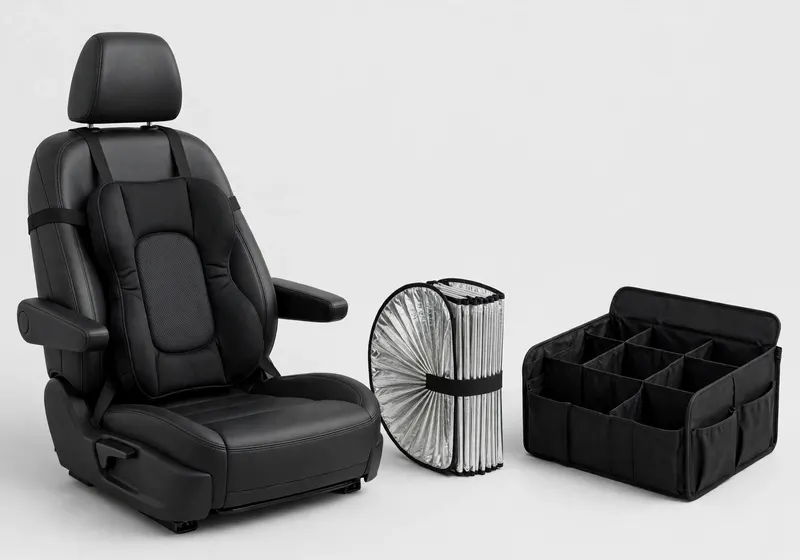
7. Windscreen Sunshade — Rs 1,199. In a country where parked cars bake for hours, a reflective shade is not an accessory, it is a mercy — for you, and for your dashboard plastic, which cracks years earlier under direct sun.
8. Lumbar Support Cushion — Rs 2,699. Anyone driving Lahore–Islamabad or Karachi–Hyderabad regularly knows the lower-back ache. Memory foam support is the difference between arriving tired and arriving broken.
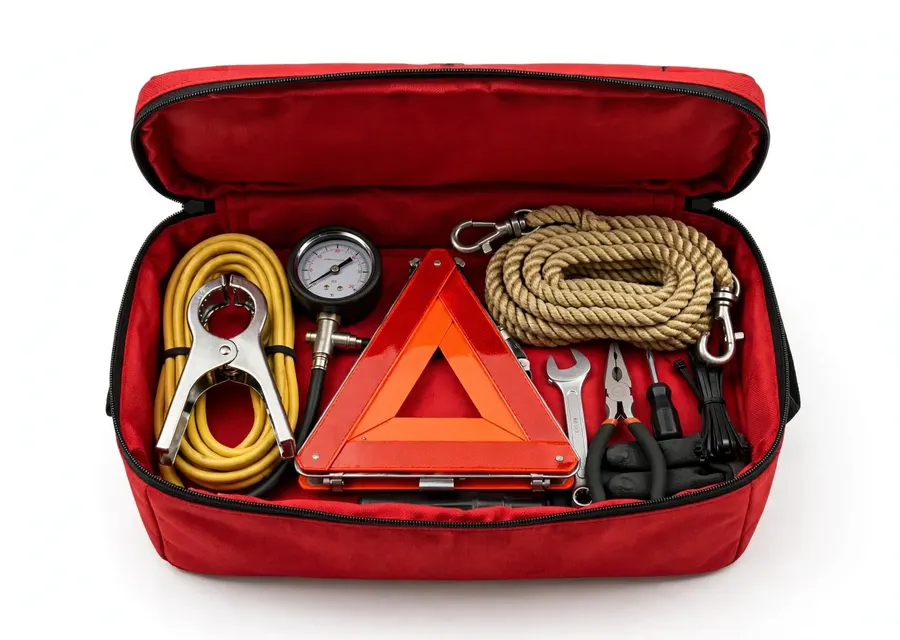
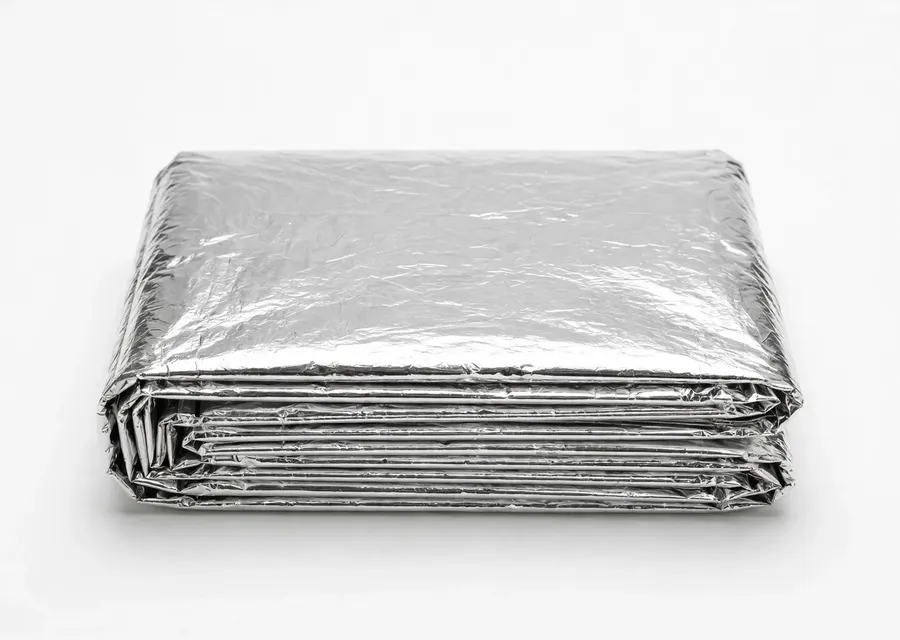
9. 9-in-1 Emergency Kit — Rs 2,499. Jumper cables, tow rope, warning triangle, vest, torch and tools in one bag. You may not open it for two years. The night you do, it pays for itself ten times over.
10. Interior LED Light Set — Rs 1,599. The only purely joyful pick: footwell lighting that makes a ten-year-old car feel new at night, fitted in twenty minutes with no wiring touched. The dashboard neon strip at Rs 999 is its natural partner.
What did not make the list — and why
Seat covers are a big purchase (Rs 8,000–35,000 fitted) and a personal-taste decision — buy them in person, not from a list. Car perfumes are consumables, not upgrades. Steering covers and floor mats are worth having but are replacement maintenance, not improvements. Expensive branded holders lost their spots to generic equivalents that do the same job for half the price — the saved money buys the next item on the list instead.
Working to a fixed budget? The under-Rs 2,000 guide builds a full kit from this list's cheaper half, and the price guide shows the fair range for everything else.
How this ranking was scored
Each candidate accessory was scored on four questions a Pakistani owner would ask. How often is it used? Daily items beat annual items at equal value. What happens without it? Gear whose absence can cost thousands — or an argument you cannot win — outranks gear whose absence costs comfort. Does the cheap version work? Where a Rs 749 item does the full job (blind spot mirrors), it ranks above items needing Rs 6,000 to work at all. Does it fit every car? Universal-fit items outrank model-specific ones for a general list. Dash cams won because they score high on consequence; LED lights made the list because they score perfectly on fit and price while being the only pick bought purely for pleasure — a list with no joy in it would not be honest either.
Ready-made kits by driver type
The daily commuter (city office runs): gravity phone holder, dual USB fast charger, mini vacuum, windscreen sunshade — about Rs 6,600 total, and every item is used weekly or daily.
The family car (school runs, weekend trips): dash cam, blind spot mirrors, lumbar cushion, trunk organizer, cleaning kit — about Rs 13,300, weighted to safety and sanity.
The intercity driver (motorway regular): dash cam, tyre inflator, emergency kit, lumbar cushion, fast charger — about Rs 16,100, built around the three failures that strand people between cities.
The ride-hailing driver (Careem/InDrive, all-day driving): wireless charging holder (passengers notice, batteries survive a full shift), dash cam (protection runs both ways), lumbar cushion (your back is your livelihood), interior LED set kept subtle. About Rs 12,300, and regulars usually recover it in tips and ratings stability within a season.
Build your own combination in the shop — every kit above is assembled from the product pages linked in this guide, and the budget guide covers the same thinking under Rs 2,000 per item.
When to skip an upgrade entirely
Honest lists include the exits. If you plan to sell the car within six months, buy only transferable items (inflator, emergency kit, vacuum, organizer) and skip fitted or adhesive anything — the next owner will not pay extra for your sunshade. If the car is company-maintained, check the policy before fitting even a suction-mount camera; some fleets prohibit socket devices. If your daily drive is under fifteen minutes, the lumbar cushion and half the comfort list will never earn their price — your money belongs in the safety trio and nowhere else. If the car is rarely used, beware battery-adjacent accessories sitting in a hot parked car for weeks; buy them when the car's life gets busier. And if a car's basic maintenance is overdue — tyres, brakes, battery — no accessory on this list outranks fixing that first. Accessories upgrade a sound car; they do not rescue a neglected one.
The accessories buyers reorder and gift most
First purchases follow logic; second purchases reveal love. In Pakistani accessory buying, the repeat and gift charts are remarkably stable: microfibre cleaning kits and brush sets are reordered because they wear out doing honest work; sunshades are bought in twos (front and rear glass) after the first proves itself through one June; phone holders multiply across family cars once one driver stops holding a phone; and the interior LED set is the most gifted item of all, because it is the rare upgrade the receiver can see working the same evening. If you are choosing a first accessory for someone else's car, that is your shortlist — universal fit, instant effect, no model-year questions asked.
Accessories and resale value — what a buyer notices
Pakistani used-car buyers judge a cabin in the first thirty seconds, and accessories quietly steer that judgement. A car with a fitted dash cam, a clean working holder and an organized boot reads as "owner who cared" — the same signal a full service history gives, at a fraction of the cost. The effect runs both ways: peeling sun-damaged dashboards (a sunshade would have prevented them), loose wires everywhere and a boot full of junk tell the opposite story and are quoted back at you during negotiation. None of this means buying accessories to sell a car — it means the comfort and safety gear you buy for yourself is rarely wasted money even at resale, because cared-for cars sell faster and argue less. Keep receipts and boxes for the electronics; a dash cam with its box and a working demo at viewing time is worth visibly more than the same camera described as "installed, probably works".
Prices in this guide come from Pakistani market research carried out in November 2026 (Daraz best-seller listings, dedicated accessory stores and wholesale marketplaces). Market prices move with sales and stock; the ranges here are a fair-buying guide, not a quote.